Looking for aninsomnia psychiatrist near meor aninsomnia doctor near me? Fulfilled Care Psychiatry offers expert insomnia treatment near me with personalized care and medication management—available both online and in-person.
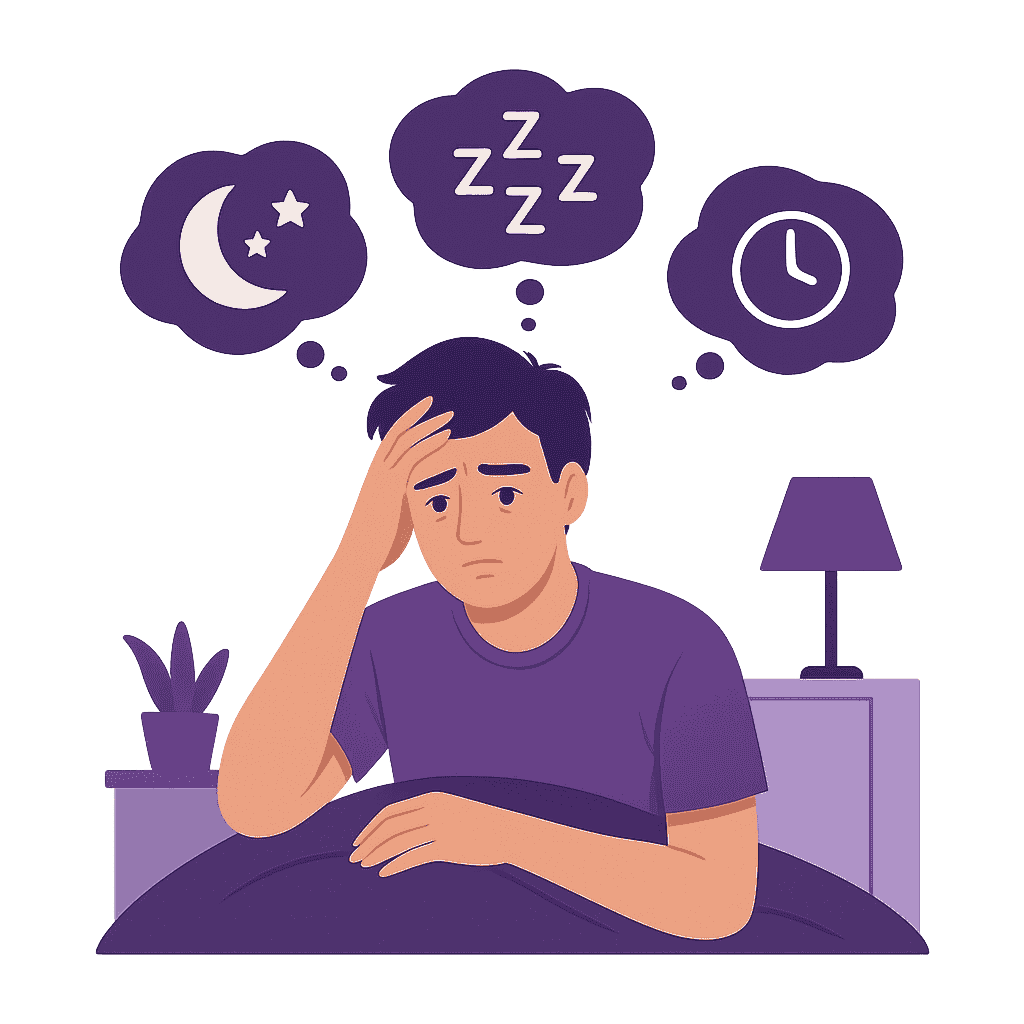
Insomnia is a common sleep disorder that makes it hard to fall asleep, stay asleep, or get restful sleep—even when you’re tired. It can affect your mood, focus, energy levels, and overall health. People with insomnia may feel irritable, have trouble concentrating, or experience fatigue throughout the day. While it can affect anyone, insomnia is treatable with the right care and support.
Types of Insomnia
Insomnia can appear in different forms, and identifying what’s causing it is essential to finding the right treatment. In some cases, it’s temporary, but it can also become chronic—especially when linked to mental health conditions.
Acute insomnia is short-term and often triggered by stress, life changes, or illness.
Chronic insomnia lasts at least three nights a week for three months or more.
Onset insomnia involves difficulty falling asleep at the beginning of the night.
Maintenance insomnia refers to waking up during the night and struggling to fall back asleep.
Comorbid insomnia occurs alongside other health conditions—especially psychiatric disorders such as anxiety, depression, bipolar disorder, or PTSD.
Understanding the type and cause of your insomnia is key to effective treatment. At Fulfilled Care Psychiatry, we focus on uncovering the root of your sleep struggles and helping you get the rest you need.
How Do We Treat Insomnia?
At Fulfilled Care Psychiatry, we take a personalized approach to treating insomnia by first identifying the root cause—whether it’s stress, lifestyle habits, or an underlying mental health condition like anxiety or depression. Treatment may include medication management, sleep hygiene strategies, and regular follow-ups to track your progress and adjust your care plan. Our goal is to help you sleep better by addressing the source of your insomnia, not just the symptoms.